Exploring the StoneFlower Ceramic 3D Printing Kit
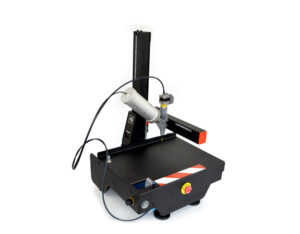
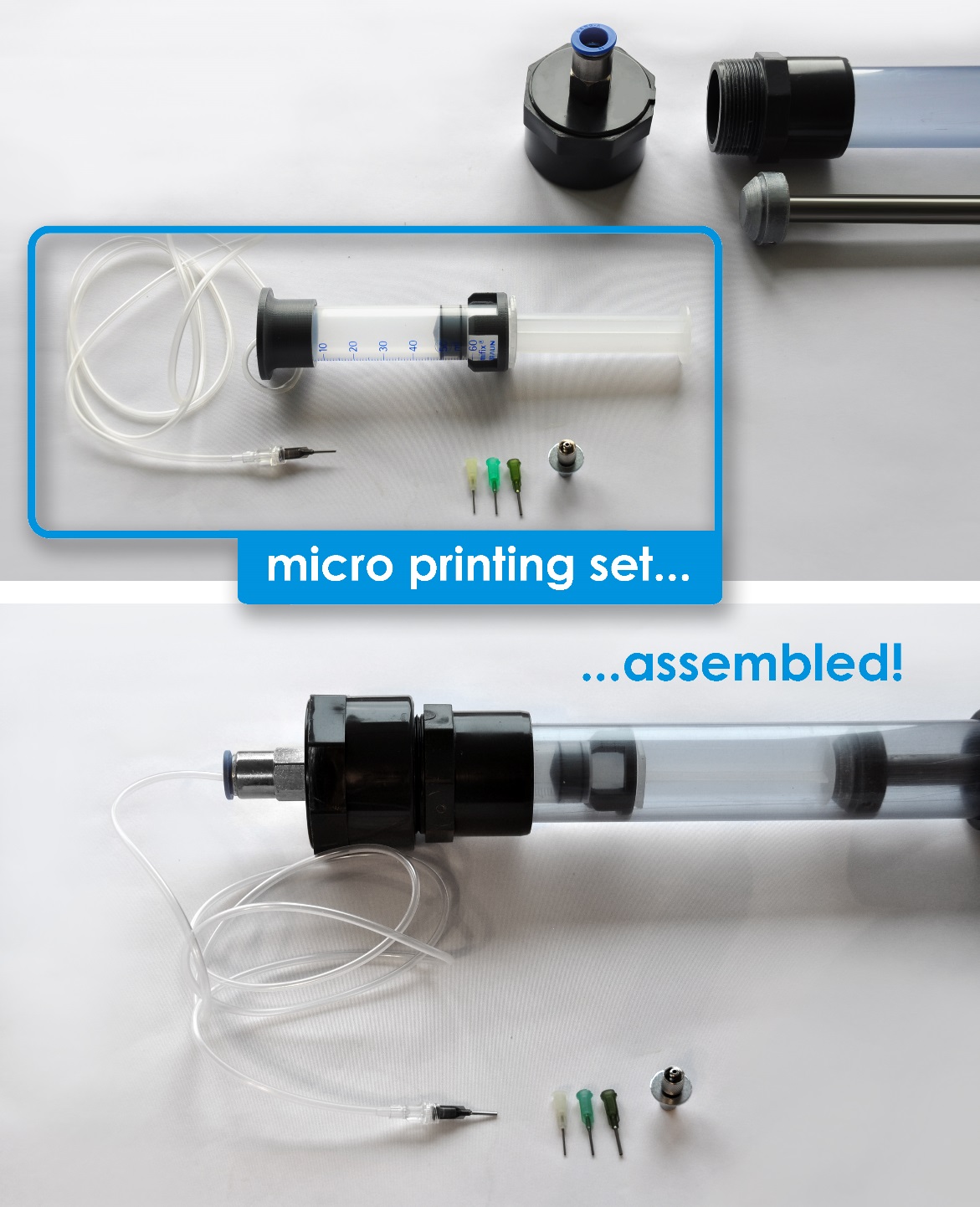
The StoneFlower Ceramic 3D Printing Kit offers a dedicated solution for hobbyists and professionals looking to integrate clay extrusion into their additive manufacturing workflows. This kit provides the essential components required to transform standard 3D printers into functional ceramic deposition systems.
Published: February 1, 2018 • Original report: 2018-01-29
An Introduction to StoneFlower Ceramic Kits
As the landscape of ceramic additive manufacturing continues to evolve, the StoneFlower Ceramic 3D Printing Kit has emerged as a practical entry point for those looking to explore the intersection of digital fabrication and traditional pottery. Designed to adapt existing hardware for clay-based materials, the kit provides an accessible pathway for creators to experiment with architectural and artistic ceramic production.
By enabling the precision of motorized extrusion, the StoneFlower system bridges the gap between conventional desktop 3D printing and the physical requirements of working with wet clay. It represents a significant step forward for makers who wish to push the boundaries of geometry and form without the limitations of manual clay manipulation.
Key Highlights & Specifications
- System Integration: Designed to interface with existing desktop 3D printer hardware to provide ceramic extrusion capabilities.
- Material Compatibility: Specifically engineered to handle clay-based media, requiring careful management of viscosity and moisture.
- Functionality: Utilizes a specialized extrusion mechanism to lay down ceramic paste in precise, programmable layers.
- Target Audience: Suitable for ceramic artists, educators, and technology enthusiasts interested in exploring clay-based additive manufacturing.
The Mechanics of Clay Extrusion
The StoneFlower kit functions by utilizing a dedicated extrusion system that replaces or supplements the standard filament extruder found on many desktop printers. The process relies on the controlled deposition of clay paste through a nozzle, allowing the machine to build objects layer-by-layer. Because ceramic materials are prone to deformation during the print process, the workflow requires careful calibration of print speeds and paste consistency to ensure structural integrity as the piece builds upward. Once printed, the resulting earthen greenware follows a standard ceramic lifecycle, necessitating thorough drying followed by kiln firing to achieve a final, vitrified state.
Significance for the Ceramic Industry
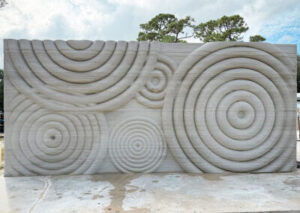
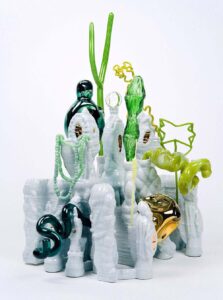
For ceramic artists and digital makers, the StoneFlower kit provides a unique tool for rapid prototyping and the creation of complex, non-repeating geometries that would be difficult or impossible to achieve using traditional wheel-throwing or mold-casting methods. In the architectural and design sectors, this technology facilitates the investigation of modular components and customized decorative elements. By lowering the barrier to entry for ceramic 3D printing, the StoneFlower kit encourages a broader adoption of digital design workflows within the crafts industry, ultimately expanding the creative potential of clay as a contemporary 3D printing medium.
Source & Project Documentation
Primary Sources: