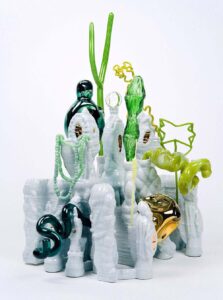
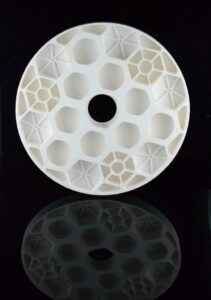
Bridging Tradition and Tech: Nicolas Touron’s Approach to 3D Clay Printing
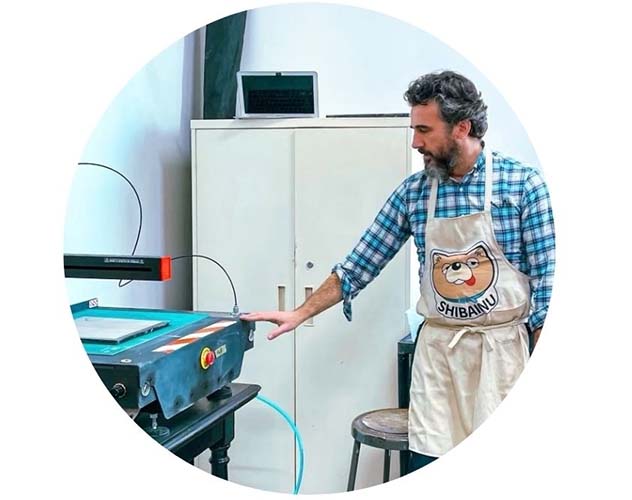
Artist Nicolas Touron explores the intersection of digital fabrication and traditional ceramics, emphasizing modularity and intentional material experimentation. This look at his workflow highlights the necessity of human intervention in the automated 3D clay printing process.
Published: November 17, 2026
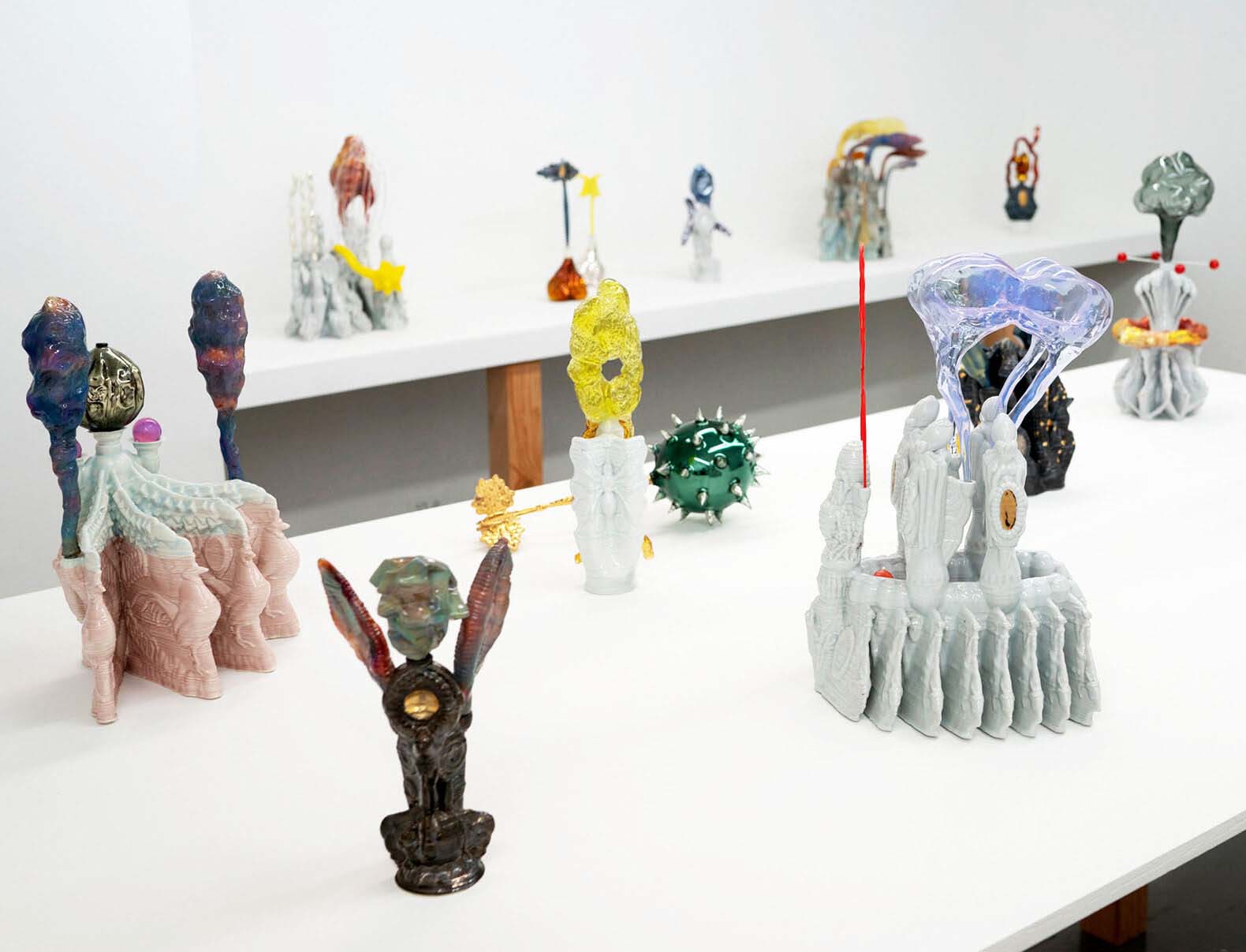
Merging Ancient Craft with Digital Precision
3D clay printing has evolved from its roots in industrial additive manufacturing into a sophisticated medium for contemporary artists, designers, and architects. For artist Nicolas Touron, the transition from culinary arts to ceramic sculpture provided a unique perspective, where he began viewing sculpture through modular, recipe-like methods. By embracing digital tools alongside traditional ceramic techniques, Touron creates complex, narrative-driven works that challenge the often sterile reputation of automated fabrication.
Touron’s practice highlights the productive tension between high-precision CAD software and the inherent unpredictability of wet clay. By moving away from purely algorithm-driven geometries, he treats 3D printing as a dialogue, allowing the material’s behavior, the machine’s constraints, and the artist’s intuition to dictate the final form of his sculptural reliquaries.
Key Highlights & Specifications
- Hardware Ecosystem: Utilization of professional-grade equipment, specifically 3D PotterBot printers for large-scale work and Lutum systems for intricate detailing.
- Software Workflow: Designs originate in CAD programs like Fusion 360, with slicing managed through PrusaSlicer, Simplify3D, GCodeTools, and Cura.
- Structural Parameters: Average print wall thickness is maintained at approximately 3.5mm to ensure stability while allowing for structural integrity.
- Process Capabilities: Capable of continuous print sessions lasting eight to ten hours without the use of conventional supports.
- Material Management: Employs manual clay preparation, adding water to achieve specific consistencies before pneumatic or mechanical extrusion.
How the Technology Works
The 3D clay printing workflow is segmented into four critical stages that blend digital design with manual craftsmanship. First, the artist creates STL files in CAD software, carefully accounting for gravity and structural limitations to prevent deformation. Once in the slicing software, standard manufacturer profiles are discarded in favor of custom parameters, adjusting layer height, infill density, and print path to suit specific clay bodies.
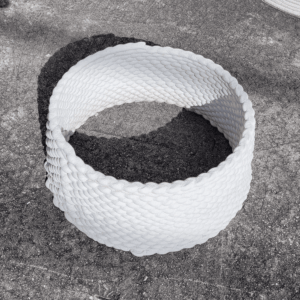
Preparation involves manual compaction of the clay into cartridges, followed by rigorous testing of air pressure or mechanical extrusion rates. During the print phase, the process remains highly interactive; Touron often introduces manual interventions, such as partial drying or adding temporary supports, to push the machine beyond its default capabilities. Finally, the assembly stage requires joining leather-hard components using slip and scoring techniques to create seamless, continuous structures that are then fired using traditional ceramic protocols.
Why It Matters for Ceramic & Clay 3D Printing
For the broader community of architects and makers, Touron’s work serves as a reminder that digital fabrication is most effective when it transcends the “generic” digital aesthetic. By pushing printers to operate for extended durations and intentionally introducing chance, he demonstrates that the machine should be a tool for storytelling rather than a replacement for artistic decision-making. This approach proves that the future of ceramic additive manufacturing lies in the fluid boundary between digital planning and the tactile, responsive nature of the clay itself.
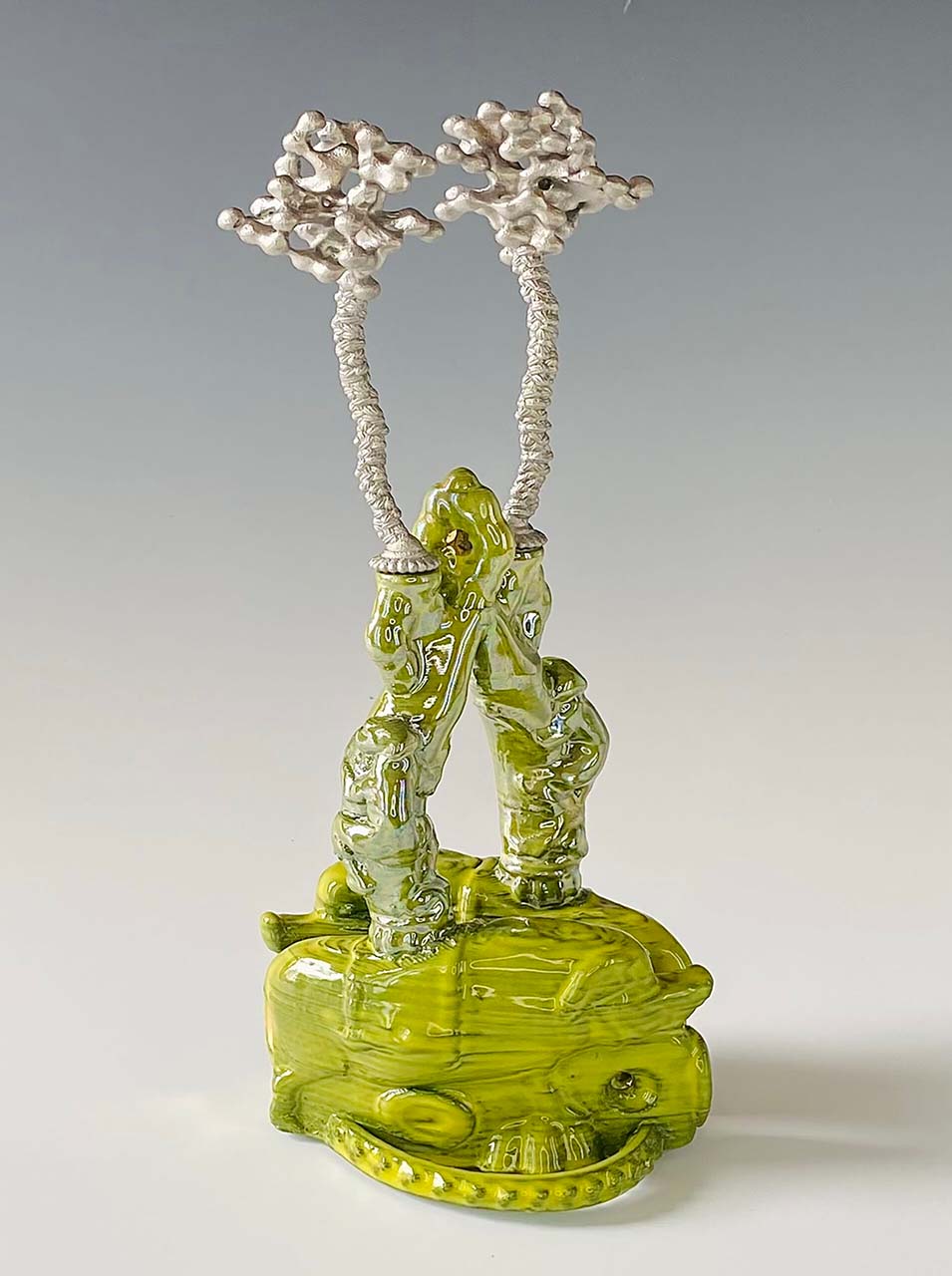
Project Video
Source & Project Documentation
Source Page: Nicolas Touron on the Craft of 3D Printing – MoCA/NY
Related Links & Files: