Choosing Between Alumina and Zirconia for Technical Ceramic 3D Printing
Selecting the right material for high-performance ceramic manufacturing requires balancing mechanical properties against specific environmental demands. This guide evaluates the technical advantages of alumina and zirconia in industrial 3D printing workflows.
Published: November 7, 2026 • Original report: 2026-11-04
Navigating Material Selection in Ceramic Additive Manufacturing
In the specialized field of technical ceramic 3D printing, the choice between alumina and zirconia often dictates the ultimate success of a component. While both materials are pillars of modern ceramic manufacturing, they offer distinct mechanical and thermal profiles that make them suitable for vastly different engineering challenges. Understanding these differences is critical for engineers and makers aiming to optimize parts for space, biomedical, and industrial applications.
3DCeram facilitates this selection process through its integrated 3DMIX material platform and CERAMAKER printer lineup. By treating material science as an extension of geometry and design, users can evaluate how specific ceramic formulations will perform under the thermal, electrical, and mechanical stresses of their intended service environment.
Key Highlights & Specifications
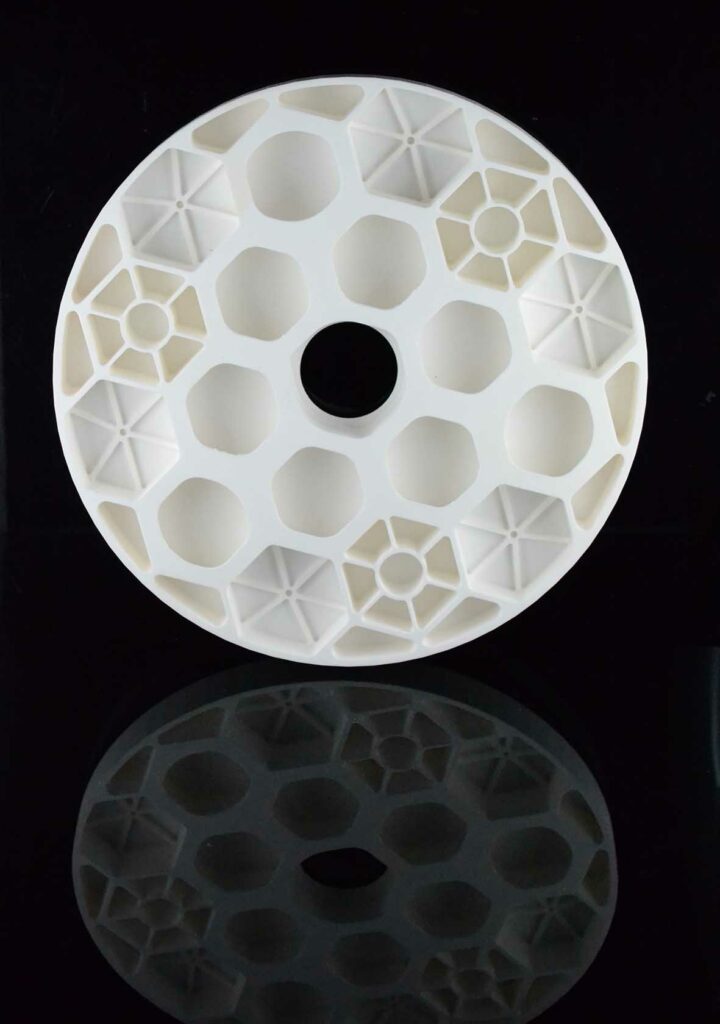
- Alumina Characteristics: Favored for its lower density, superior stiffness, high electrical resistivity, and impressive thermal conductivity. It is an ideal candidate for sensor housings, optical components, and aerospace hardware requiring internal cooling channels.
- Zirconia (3Y) Characteristics: Notable for high flexural strength, hardness, and wear resistance. Its toughness makes it a primary material choice for dental and orthopedic implants, as well as demanding structural space components.
- 3DMIX Portfolio: Beyond standard alumina and zirconia, the platform supports specialized compositions including:
- Alumina-Toughened Zirconia (ATZ): A composite featuring 20% alumina and 80% zirconia.
- Zirconia 8Y.
- Non-oxide ceramics: Aluminum Nitride and Silicon Nitride.
- Bioceramics: Hydroxyapatite and Tricalcium Phosphate.
- Other materials: Cordierite and Silicore.
- Hardware Ecosystem: Compatible with CERAMAKER printers such as the C101 EASY series, C900 FLEX, C900 HYBRID, C1000 FLEXMATIC, and C3601 ULTIMATE.
- Software Tools: Integrated workflows utilizing CPS 2.0 and Build-It software for process optimization.
How the Technology Works
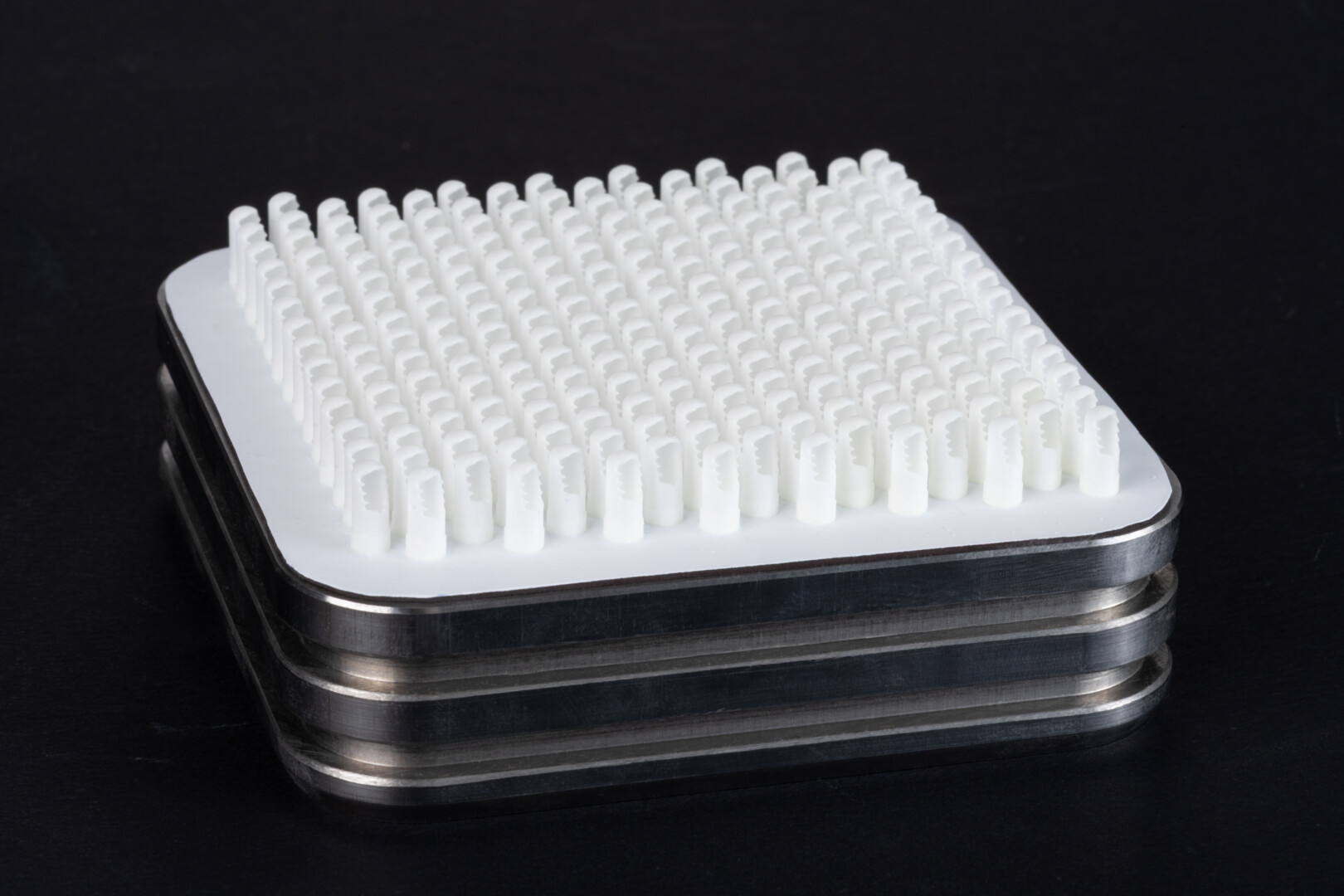
The manufacturing process utilized by 3DCeram relies on Stereolithography (SLA). The workflow begins with 3DMIX slurries, which consist of high-performance ceramic powder dispersed within a photosensitive binder. The CERAMAKER printer selectively cures this slurry layer-by-layer to build a green part—a fragile precursor that retains the precise geometric details of the design.
Following the printing phase, the parts must undergo a meticulous post-processing sequence. This includes cleaning to remove residual slurry, followed by thermal debinding and sintering. During the sintering process, the binder is burned off, and the ceramic particles fuse into a dense, solid finished part. Because properties can shift based on formulation and firing parameters, it is essential to validate representative components under simulated service conditions to ensure the part meets performance criteria.
Why It Matters for Ceramic & Clay 3D Printing
For artists, architects, and industrial engineers alike, the ability to choose the right ceramic material is the difference between a successful prototype and a structural failure. While standard clay printing focuses on aesthetics or earthen architecture, technical ceramic 3D printing demands a rigorous assessment of loads, chemical exposure, and operating temperatures.
By engaging with established material and process experts, makers can better align their designs with the physical limitations of the medium. Whether designing an alumina sensor for hypersonic flight or a zirconia implant for medical use, success hinges on the synergy between the raw material, the printer’s resolution, and the sintering methodology. Through platforms like 3DMIX, the industry is moving toward a more standardized, reliable approach to high-performance ceramic fabrication.
Source & Project Documentation
Primary Sources:
Related Links & Files: