Bridging Eras: The Shape of Nature Blends 3D Porcelain with Glass Artistry
Artists Nicolas Touron and Amy Lemaire showcase a unique collaboration at Equity Gallery, fusing 3D-printed porcelain foundations with delicate glasswork. The exhibition explores the intersection of human technology and the organic world.
Published: November 22, 2026 • Original report: 2026-11-19
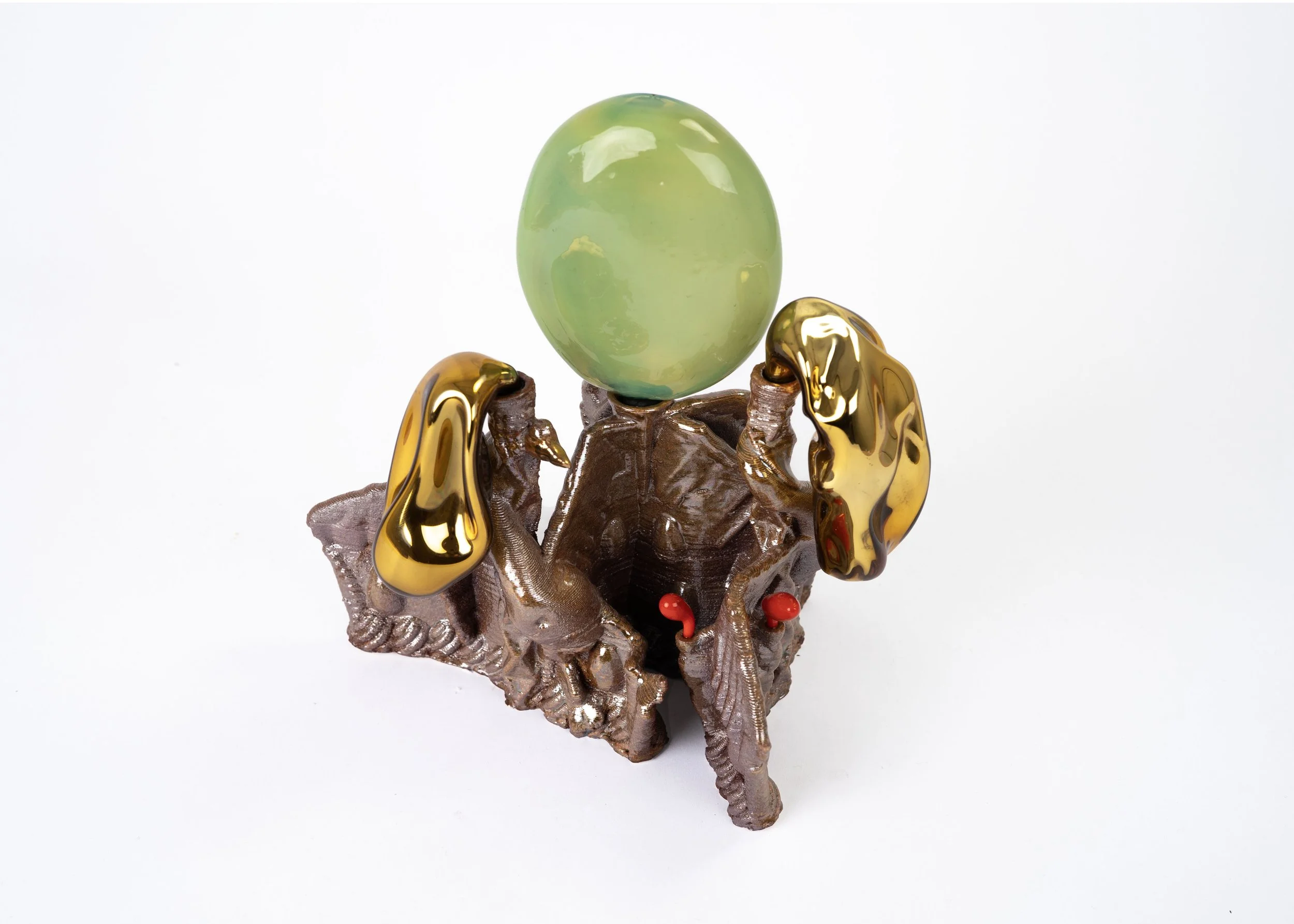
A Fusion of Ancient Craft and Modern Additive Manufacturing
In a striking demonstration of how additive manufacturing can harmonize with traditional artisan techniques, artists Nicolas Touron and Amy Lemaire are presenting their latest collaborative exhibition, “The Shape of Nature,” at the Equity Gallery Project Space. Running from November 19 through December 12, 2026, the exhibition explores the evolution of the natural world through a lens of human-driven technological advancement.
The collaborative project stands as a testament to the versatility of 3D-printed ceramics, utilizing the medium not just as a structural element, but as a conceptual canvas. By pairing precise 3D-printed porcelain structures with fluid, organic glass elements, the duo examines what flora and fauna might look like when integrated into a future defined by synthetic and organic synergy.
Key Highlights & Specifications
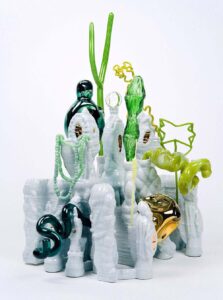
- Featured Work: Aquarius #17 (2025)
- Materials: 3D-printed porcelain and borosilicate glass
- Dimensions: 7 x 5 x 5 inches
- Artistic Concept: A narrative-driven “theater of nature” featuring ceramic bases as architectural stages for glass inhabitants.
- Exhibition Period: November 19, 2026 – December 12, 2026
The Technical Workflow: Ceramic Foundations and Glass Synthesis
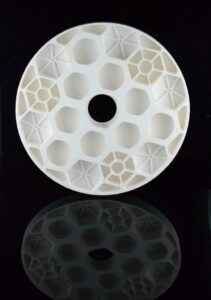
The core of the exhibition relies on the structural integrity afforded by 3D-printed porcelain. Touron utilizes additive ceramic printing to construct intricate bases that mirror the complexity of medieval fortresses and speculative futuristic temples. This digital precision allows for geometric complexity that would be difficult to achieve through traditional hand-building or wheel-throwing alone.
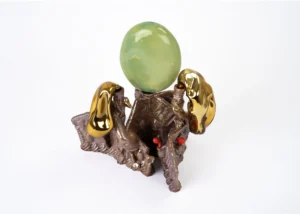
Once the ceramic base is printed and processed, it serves as the foundation for Lemaire’s contributions. The glasswork—characterized by whimsical, delicate traceries—is integrated into the porcelain, transforming the printed object from a static structure into a dynamic stage. These glass components, which resemble exotic flora, mythical creatures, and abstract lifeforms, are placed atop the ceramic “temples,” creating a physical dialogue between the rigid, calculated nature of 3D-printed clay and the fluid, heat-molded properties of borosilicate.
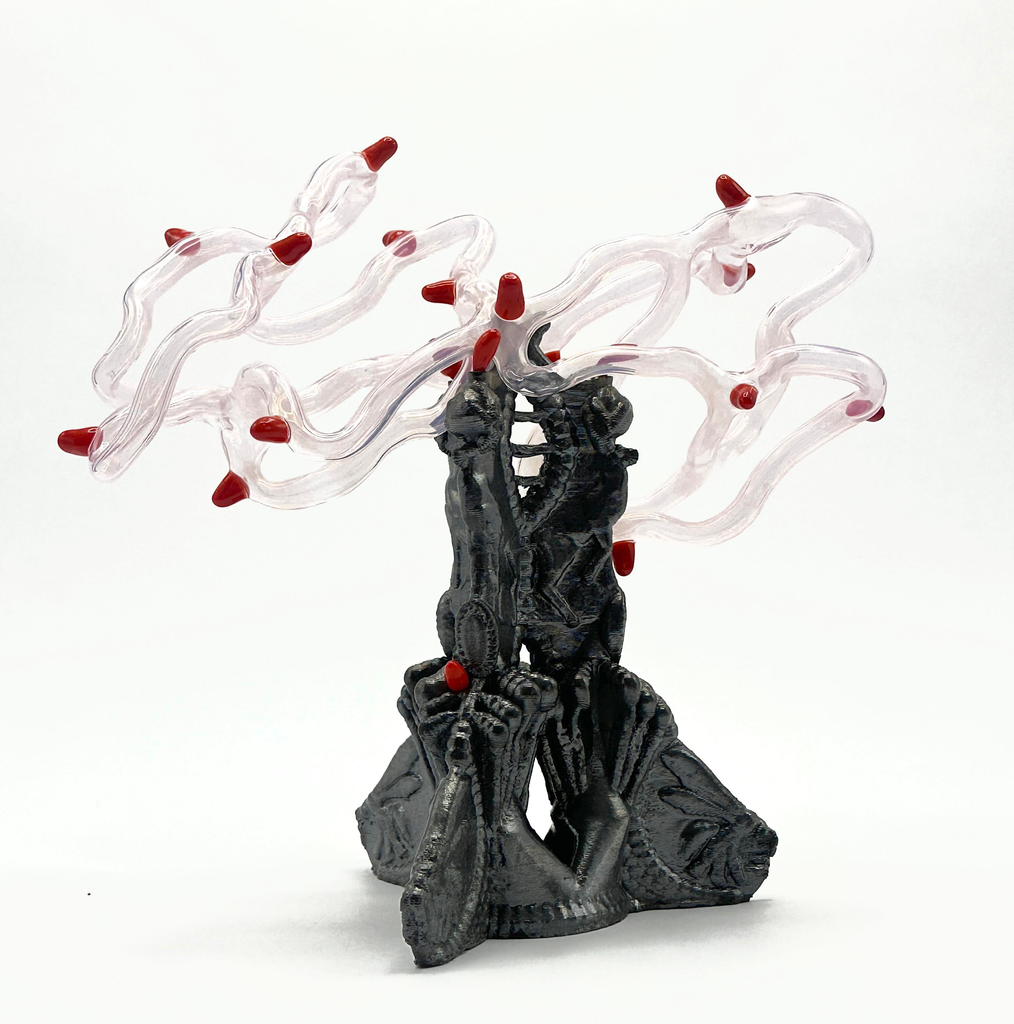
The Future of Ceramic Integration in Fine Art
For the 3D clay printing community, “The Shape of Nature” serves as a compelling case study in mixed-media additive manufacturing. By elevating the 3D-printed component to an “architectural stage,” the artists move beyond the common perception of 3D printing as purely functional or utilitarian.
This exhibition highlights a growing trend among makers and artists: using 3D printing to create the structural “bones” of a larger, multidisciplinary work. By leveraging the consistency and speed of 3D-printed porcelain, artists can devote more creative energy to the conceptual and aesthetic “actors”—in this case, the glass figures—that populate the piece. For architects and ceramic artists alike, this approach offers a glimpse into how digital fabrication can support, rather than replace, the delicate, human-centric art of glassblowing, ultimately expanding the visual vocabulary of contemporary ceramic installation.