Studio RAP 3D Prints 2,850 Ceramic Tiles for New Delft Blue Project
Dutch design firm Studio RAP is utilizing advanced 3D printing and algorithmic pattern design to produce thousands of custom ceramic tiles for a major architectural initiative in Delft.
Published: September 28, 2020 • Original report: 2020-09-25

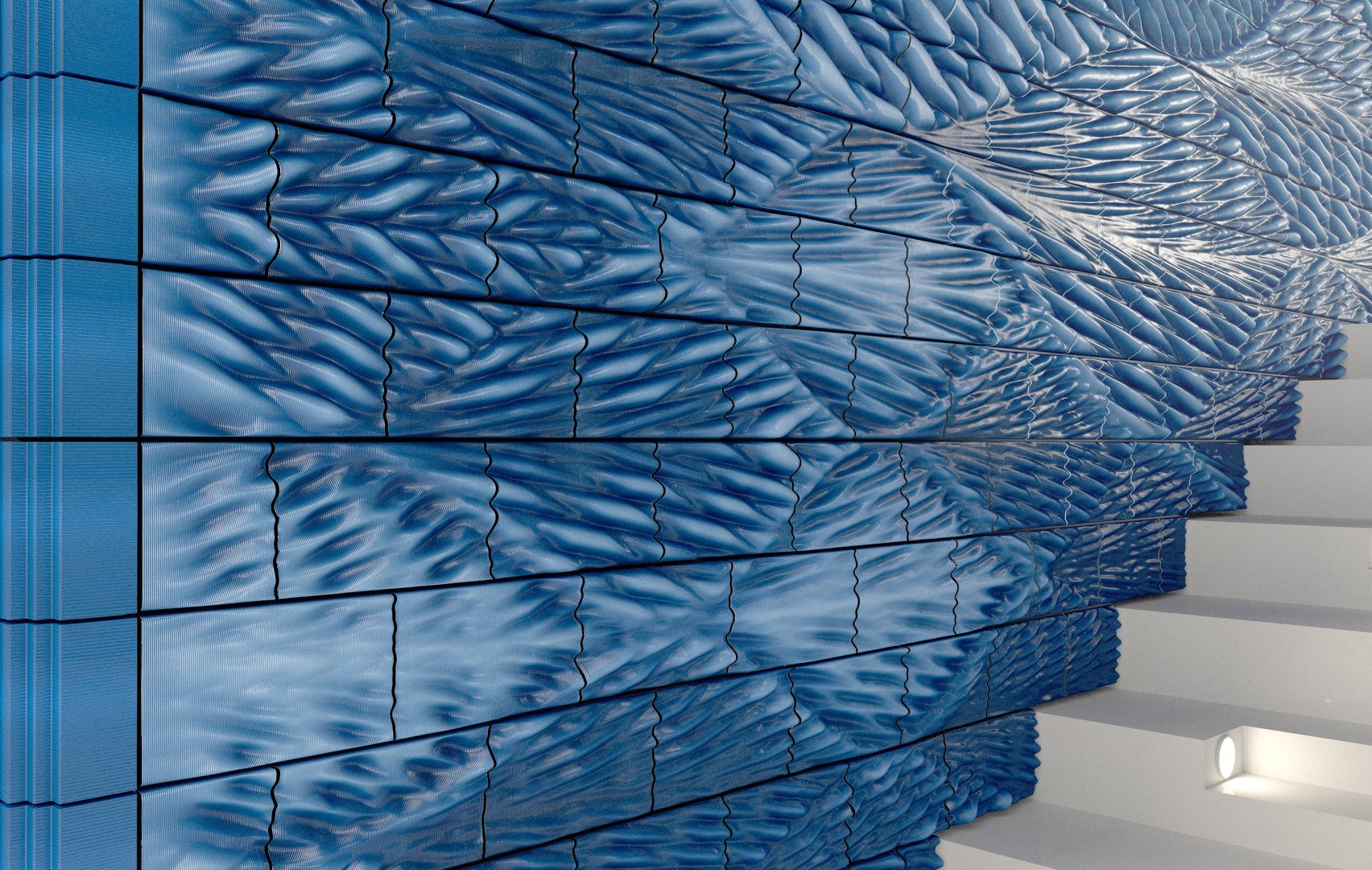
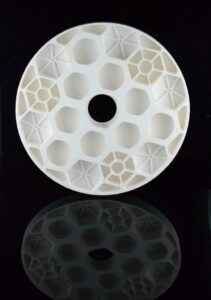
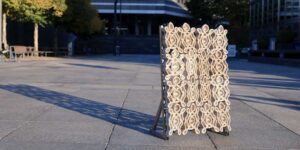
In the historic Dutch city of Delft, a pioneering architectural undertaking known as the New Delft Blue project is pushing the boundaries of contemporary ceramic additive manufacturing. Dutch construction design firm Studio RAP has successfully 3D printed an impressive 2,850 ceramic tiles, serving as a striking visual and structural element for the initiative. This convergence of cutting-edge technology and heritage craftsmanship highlights the evolving potential of clay and ceramic 3D printing in modern architecture.
The scale of the undertaking is immense. The primary gates involved in the development measure four meters in width, eight meters in height, and twelve meters in depth. Upon completion, these grand structures will be entirely adorned with approximately 4,000 unique ceramic tiles. Beyond this landmark gateway, Studio RAP is actively incorporating this innovative cladding approach into a separate residential high-rise project, demonstrating its broader viability in urban construction.
Key Highlights & Specifications
- Total Tiles Printed: 2,850 ceramic tiles produced by Studio RAP for the New Delft Blue project (out of roughly 4,000 total tiles planned).
- Structure Dimensions: The targeted gates measure 4 meters wide, 8 meters high, and 12 meters deep.
- Material Benefits: High-quality cladding offering exceptional durability and low maintenance requirements.
- Collaborators: Developed by Studio RAP, with glazing and kiln-firing executed by Koninklijke Tichelaar, and construction managed by BPD Gebiedsontwikkeling and Ballast Nedam Development.
Materials, Extrusion, and the Production Workflow
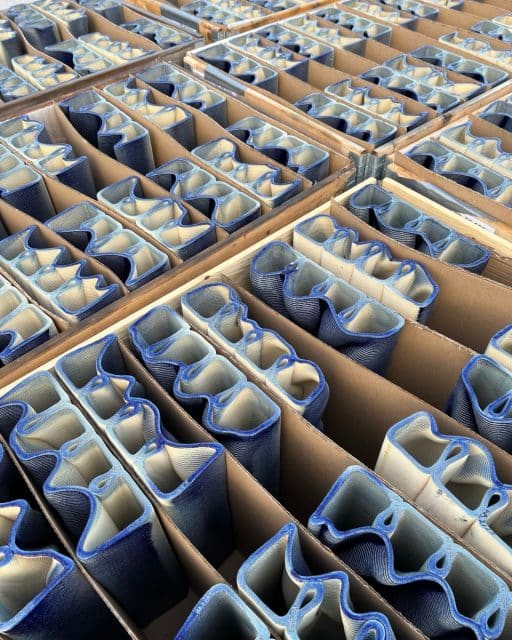
The creation of these architectural ceramic elements relies heavily on a sophisticated digital and physical workflow. Studio RAP employs a specialized algorithmic approach to design intricate 3D patterns, giving each tile a unique geometric identity before it is fabricated via additive manufacturing. After the raw pieces are additively manufactured at Studio RAP’s workshop, they undergo a crucial post-processing phase.
The newly printed tiles are transported directly to Koninklijke Tichelaar, a renowned institution for ceramic production, where they are placed into the kiln for firing. Following the firing process, the tiles receive expert artisanal glazing. This seamless integration of automated 3D printing and traditional ceramic finishing ensures that the final components meet rigorous aesthetic and structural standards.
Transforming Ceramic Artistry and Modern Architecture
For ceramic artists, makers, and architects, the New Delft Blue project offers a compelling blueprint for the future of building materials. By merging programmatic design algorithms with serially manufactured clay elements, Studio RAP has bypassed the traditional limitations of mass-produced facade panels. The resulting ceramic cladding not only honors the rich, historic ceramic heritage of Delft but also introduces a highly durable, low-maintenance skin capable of withstanding the demands of contemporary urban environments.
Source & Project Documentation
Primary Sources: