3D Printed Terracotta Reef Tiles Deployed in the Arabian Gulf
A collaborative initiative has successfully installed 3D printed terracotta reef tiles in Abu Dhabi’s waters to support coral restoration. The project merges ceramic additive manufacturing with marine biology to combat local reef decline.
Published: March 23, 2023 • Original report: 2023-03-20

Innovating Marine Restoration with Ceramic Additive Manufacturing
A ground-breaking deployment of artificial 3D printed terracotta reef tiles has been successfully carried out in the Arabian Gulf off the coast of Abu Dhabi. This environmental milestone is the result of a strategic collaboration between ADQ, an investment and holding company based in Abu Dhabi, the Environment Agency – Abu Dhabi (EAD), and Hong Kong-headquartered climate technology firm Archireef. The initiative aims to combat the alarming degradation of local marine habitats, specifically addressing the devastating loss of coral reefs caused by rising water temperatures and mass bleaching events.
The partnership, originally announced in late 2022, focuses on funding research and development for eco-engineering solutions that combine modern scientific research with advanced technologies like 3D printing, IoT, and artificial intelligence. By utilizing custom clay printing techniques, the project aligns with ADQ’s broader environmental, social, and governance goals while supporting EAD’s globally recognized marine ecosystem rehabilitation efforts. EAD provided critical logistical support, expertise, and corals sourced directly from their in situ nurseries.
Key Highlights & Specifications
- Deployment Location: A marine protected area near Um Khorah Island in the Al Dhafra Region, Abu Dhabi.
- Project Scale: Encompasses 40 square meters of custom-printed terracotta reef tiles.
- Biological Load: Houses approximately 1,200 coral fragments supplied by EAD.
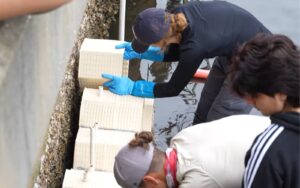
- Installation Logistics: Completed by a specialized team of seven scuba divers over a rigorous five-day period.
- Material Composition: Environmentally friendly terracotta produced via specialized 3D clay printing.
- Target Species & Ecosystem: Designed to support local waters housing 34 different types of hard coral, targeting a high survivorship rate comparable to past projects.
Additive Manufacturing Workflow and Material Mechanics
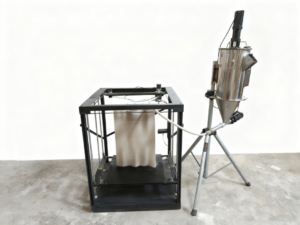
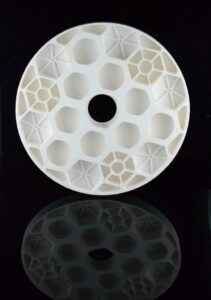
The intricate reef tiles were conceived through a collaborative design process involving marine biologists and architects. Once engineered, the components were fabricated using custom 3D clay printing technology located inside Archireef’s new production facility situated within a KEZAD Group economic zone. Unlike traditional artificial reef structures, the terracotta material is entirely eco-friendly and purposely shaped to replicate natural coral geometries. This geometry plays a crucial role in preventing sedimentation build-up, which remains a primary hazard for marine coral survival.
From a biological standpoint, the printed ceramic substrate offers a stable foundational matrix for vulnerable corals to settle upon. The installation process itself required meticulous underwater labor, executed by a dive team over five days. Following deployment, the site is subjected to continuous monitoring programs utilizing photographic tracking to measure coral health performance and observe the subsequent recruitment of local fish populations.
Broader Implications for Ceramic Additive Manufacturing and Earthen Architecture
This initiative marks a significant step forward for the practical application of ceramic and clay 3D printing outside of traditional artistic and architectural domains. For ceramic artists, makers, and additive manufacturing specialists, the project demonstrates how sustainable earthen materials can be engineered to perform complex, functional tasks in harsh natural environments. By proving that 3D printed terracotta can withstand marine conditions while actively fostering biodiversity, the project sets a precedent for future eco-engineering and coastal protection strategies.
With the UAE hosting COP28, regional leaders emphasize the urgency of adopting R&D-driven, technology-backed solutions for climate change adaptation. Archireef’s leadership notes that past comparable projects achieved industry-leading coral survivorship levels of 95 percent, pointing toward a promising outlook for the Abu Dhabi marine ecosystem. As municipal and environmental sectors look toward sustainable construction materials, this successful deployment highlights the immense potential of 3D clay printing in solving critical environmental and architectural challenges.
Source & Project Documentation
Primary Sources:
- 3D printed terracotta reef tiles successfully installed in the Arabian Gulf
- VormVrij 3D BRUTUM